



Jubilee Park
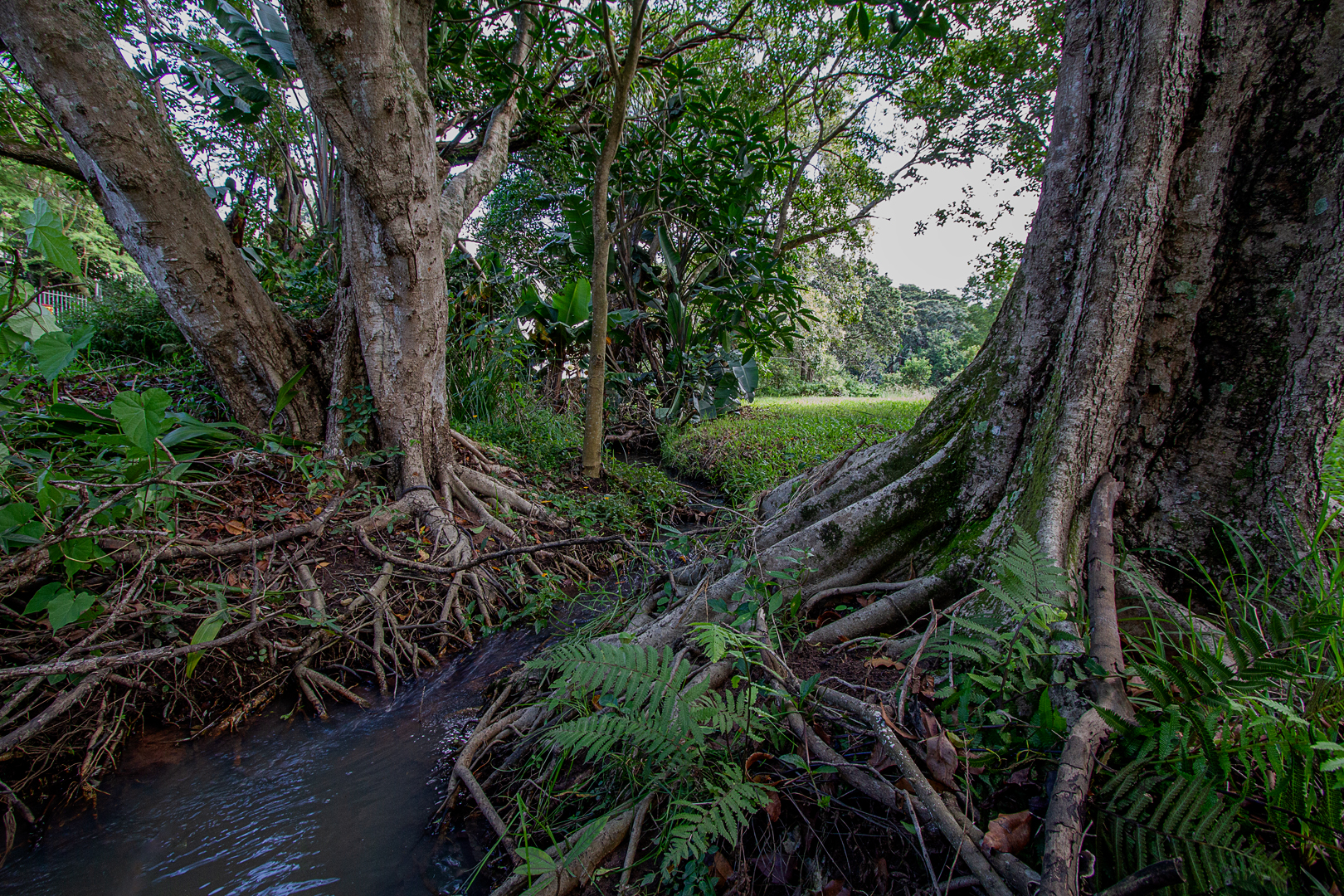
Jubilee Park is a hidden gem in the centre of Westville. Sandwiched between Princess Anne Place, and Circle Drive, it is a rare example of a swamp forest, a very important ecosystem that acts as a sponge to absorb water, prevent flooding and provide a habitat for many species of wild life, including 76 species of birds.
A water mongoose and numerous KZN Dwarf Chameleons (classified as Vulnerable in the National Threatened or Protected Species list for reptiles) have also been seen in the park.
The Restoration of Jubilee Park
In 2009 Westville Conservancy asked John Hinck & Marion Spence to transform Jubilee Park back to its natural state. Their first job was to remove huge amounts of builder’s rubble, household rubbish and general litter. Next the removal of water loving Invasive Alien Plants began, mainly Ginger, Canna lilies and Madumbes, followed by the ring-barking of invasive trees such as Camphor, Syringa, huge Eucalyptus (gums) and dozens of Surinam cherries. Most of these trees have now fallen, creating leaf litter and a new habitat for birds, insects and fungi.
The removal of these water hydrophilic plants and trees resulted in the rise of the water table and 100m of boardwalks were constructed over the swampy areas. Locally indigenous trees were then planted and other indigenous water loving tree species such as Makaranga, Pigeonwood, Turkeyberry, Umdoni (Waterberry) have self-propagated.
We are very proud of John and Marion as in 2011 they won the Mayors Award for Biodiversity Development for their work in restoring Jubilee Park.
A Walk Through Jubilee Park
Starting at the Bird Hide on Princess Anne, the path and boardwalks will take you on a circular route through the park. Take a moment to pause at Lynne’s Bench. This bench is dedicated to Lynne Thompson who was one of the founding members of Westville Conservancy. She was an invasive alien species expert and founded KZN’s ‘Stop-the-Spread’ campaign for the Wildlife and Environment Society of South Africa (WESSA). She championed the fight against invasive alien plants in the province for nearly two decades, working tirelessly to raise awareness of the threats posed by IAP’s in our fragile ecosystems. Lynne was an early supporter in the restoration of Jubilee Park helping to remove IAP’s. (She passed away in 2012)
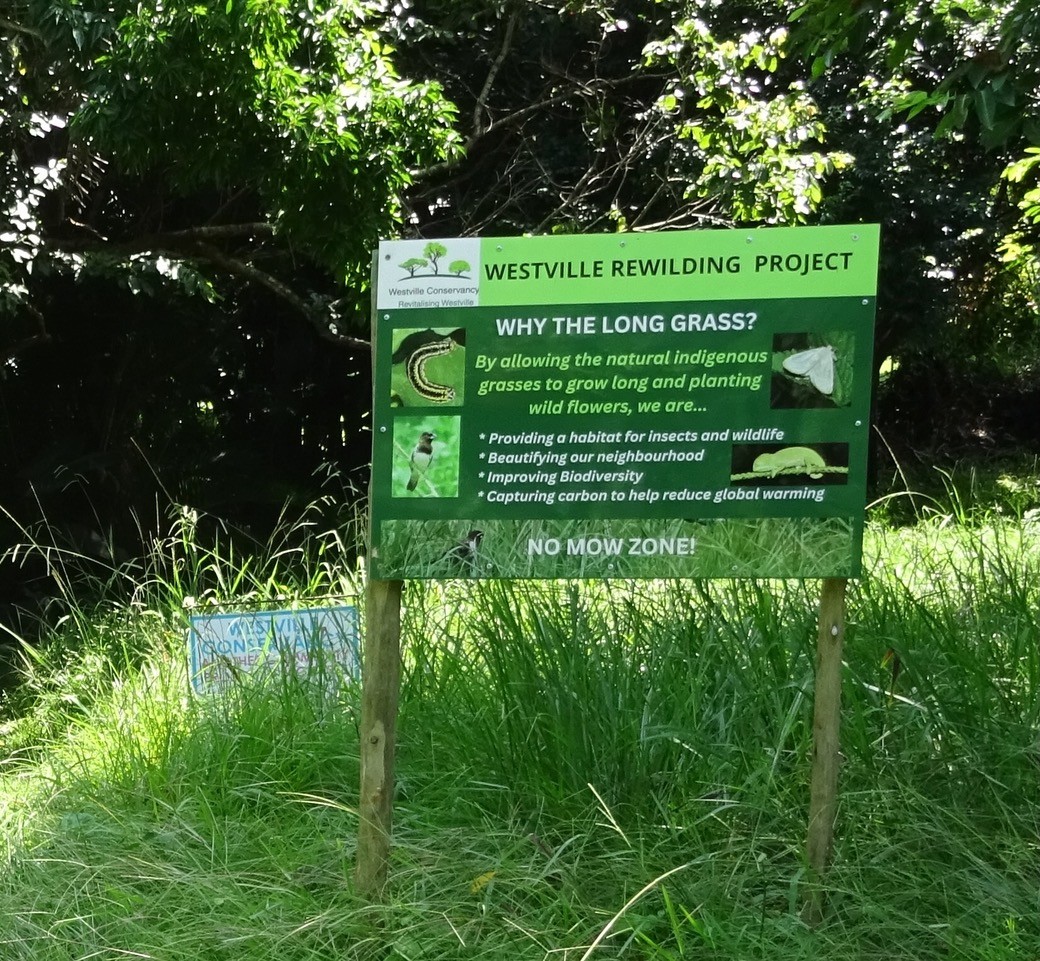
As you reach the top of the park that borders Circle Drive you will look down onto “The Bowl”, an area that was originally mowed so that when rain fell, there was little retention of the water. In consultation with Ethekwini Parks Officials the decision was made to stop mowing this area and with our removal of alien vegetation, the results are amazing! We have seen increased water retention and natural germination of plant species such as Makaranga, Red beech and Forest toad tree. Yellowwoods, Natal plum and Mahogany were planted.
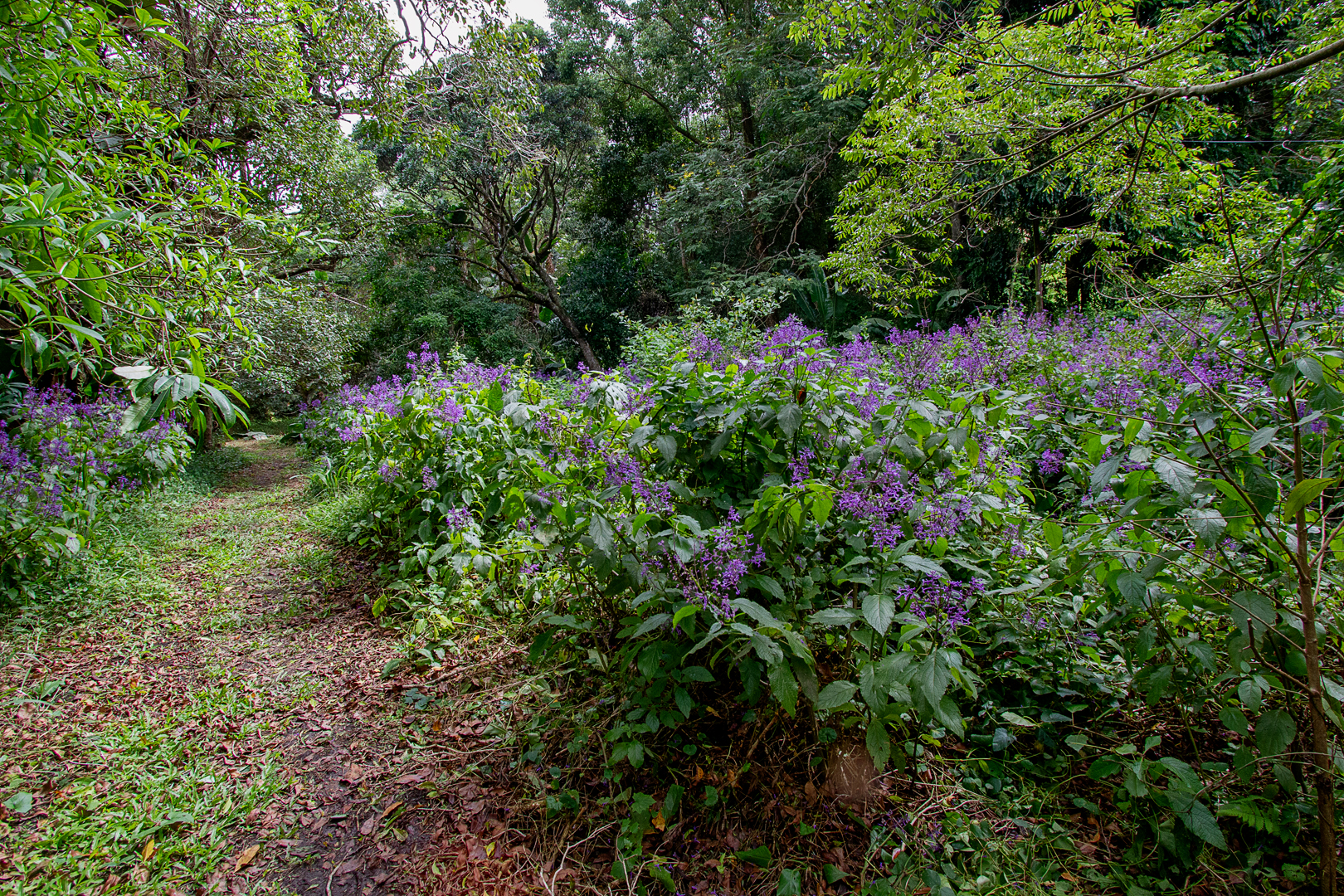
The area on the southern boundary was originally a dumping ground for building rubble. This was removed manually and as a result nitrogen-fixing species began to emerge, mainly Pigeonwoods. We planted White stinkwood, Natal plum, Mahogany and more. This caused the emergence of the indigenous Plectranthus ecklonii, which was erroneously cut down without our knowledge as it was mistaken for the invasive Woolly plectranthus. It is slowly regenerating and gives us a lovely purple display at the end of summer.
As you walk down Princess Anne you will see a Ficus lutea that was planted in 2013. This area was originally Napier grass and removal of this alien allowed the Ficus to grow to its current height and width.
Just after the Ficus was an area destroyed by Ethekwini Water and Sanitation in an effort to clear a blocked storm drain. With the help of Ethekwini Parks this area has been rehabilitated.
Invasive Alien Plant Control
Removing Invasive Alien Plants is a process that never stops! Plants escape from gardens and road reserves and seeds are brought in by birds and along the waterways. Invasive ground covers, such as Creeping Inch Plant, Tradescantia, Wedelia and Drymaria (American chickweed) are very difficult to control as they reproduce vegetatively and by seed dispersal. Sword fern is an on-going battle, as it loves wetland areas in particular
So take a stroll along the boardwalks and paths through our beautiful, tranquil Jubilee Park and enjoy the wild flowers, shrubs and trees and the ever-increasing wild life! Let us know if you spot anything exciting!